Dealership Reputation Management: How Online Reviews Decide Where Car Shoppers Go
Two dealerships sell the same vehicle, at nearly the same price, ten minutes apart. One has a 4.7 rating across 2,100 Google reviews. The other has a 3.9 across 280. The shopper has never set foot in either store, but they have already decided which one they trust. That decision happened on a phone screen, before a single salesperson got involved, and it is the most underpriced advantage in dealership marketing.
Why Reviews Now Outrank Advertising
Car buyers do not trust dealership advertising, and they never really have. What they trust is other buyers. Surveys of automotive shoppers consistently show that online reviews rank among the top factors in choosing where to buy, ahead of price advertising and brand loyalty for a large share of shoppers.
The mechanics are simple. A shopper finds three dealerships that have the vehicle they want. They open each one in a tab, glance at the star rating and review count, skim the most recent reviews, and eliminate the weakest option before they ever check inventory in detail. Your reputation is the filter that decides whether you even make the shortlist.
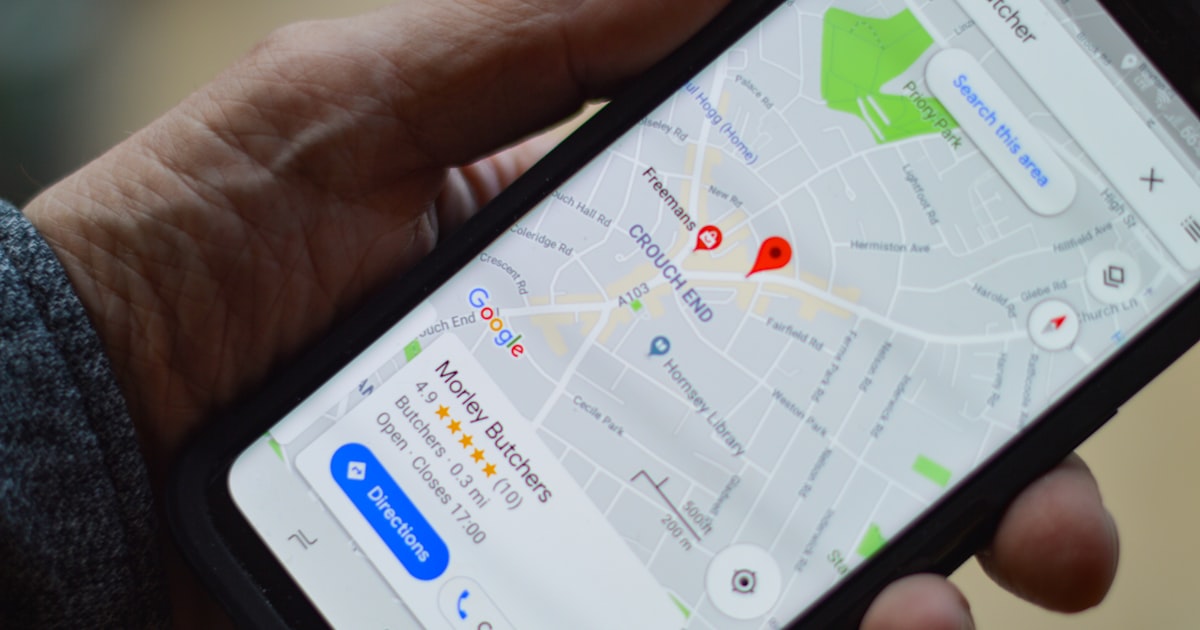
This matters even more because of how Google works. Your star rating and review volume directly influence whether you show up in the local map pack, which is the block of three businesses Google features at the top of local searches. Strong reviews do not just persuade shoppers who find you. They help more shoppers find you in the first place.
The Three Numbers That Move Deals
Most dealerships glance at their overall star rating once a quarter and call that reputation management. Three numbers actually matter, and they work together.
1. Star Rating
The headline number. Anything below 4.0 is a red flag to shoppers and a drag on your map pack visibility. The goal is a sustained 4.5 or higher. Getting there is less about chasing perfection and more about volume, because a steady flow of genuine positive reviews dilutes the occasional bad one.
2. Review Volume
A 4.8 rating on 90 reviews loses to a 4.5 on 1,800. Volume signals that a lot of real people have done business with you and lived to tell about it. It also keeps your rating stable, because one angry customer barely moves an average built on thousands of reviews.
3. Recency
A shopper who sees that your most recent review is four months old assumes the business is either slow or asleep. Fresh reviews signal an active, busy store. Google also weights recency, so a steady drip of new reviews matters more than a big burst followed by silence.
Building a Review Engine That Actually Works
The dealerships winning on reputation are not getting lucky. They have a system that turns satisfied customers into reviews on autopilot.
Ask at the Moment of Maximum Happiness
The single biggest mistake dealerships make is asking for a review at the wrong time, or not asking at all. The right moment is at delivery, when the customer is sitting in their new vehicle, keys in hand, at the emotional peak of the purchase. A salesperson who hands over the keys and says "It would mean a lot if you would share your experience" while sending a direct review link by text converts at a far higher rate than any automated email three days later.
Make It One Tap
Every step between intent and a posted review costs you reviews. Send a text with a direct link to your Google review form. Do not make customers search for your business, log in, or hunt for the review button. The store with the shortest path wins.
Do Not Forget the Service Drive
Your service department sees the same customers far more often than sales does, and a smooth oil change or warranty repair is an easy five-star moment. Service reviews count toward the same Google profile that sales benefits from, and they keep your review flow steady between vehicle sales cycles. This is one more reason fixed ops deserves real marketing attention.
Responding to Reviews Is Marketing, Not Customer Service
Most dealerships treat review responses as a chore for whoever has a spare minute. In reality, your responses are read by future shoppers, not just the reviewer. They are public proof of how you treat people.
For positive reviews, a short, specific, human response beats a copy-pasted "Thanks for the 5 stars!" Mention the salesperson, the vehicle, anything that shows a real person read it.
For negative reviews, the response is doing one job: reassuring the next shopper who reads it. Stay calm, acknowledge the issue, avoid arguing the facts in public, and move the conversation offline. A defensive or combative response to a bad review does more damage than the review itself. A measured, professional one can actually turn a one-star complaint into a reason a shopper trusts you.
Negative Reviews Are Not the Enemy
A dealership with a perfect 5.0 rating looks fake, and shoppers know it. A handful of negative reviews, handled well, makes the positive ones credible. The goal is not to eliminate every complaint. It is to bury the occasional bad experience under a steady stream of genuine positive ones and to demonstrate, in public, that you take problems seriously.
What you cannot do is fake it. Buying reviews or incentivizing only five-star ratings violates platform policies and, increasingly, gets detected and penalized. The only durable strategy is volume of real reviews from real customers.
What a Real Program Looks Like
A dealership running reputation management as a discipline rather than an afterthought will typically have:
- A defined ask process at both delivery and service checkout, with direct review links sent by text
- A target for new reviews per month, tracked like any other KPI
- A named owner responsible for responding to every review within 24 to 48 hours
- Monitoring across Google, DealerRater, Cars.com, and Facebook, not just Google
- A monthly review of themes in negative feedback, fed back to operations so the actual problems get fixed
That last point is what separates reputation management from review farming. The best reputation strategy is a genuinely good customer experience, surfaced and amplified so that future shoppers can see it.
The Compounding Advantage
Reviews compound in a way advertising never does. The campaign you run this month is gone next month. The 400 reviews you earn this year are still working for you three years from now, still pushing you up the map pack, still closing shoppers before they call. It is one of the few dealership marketing investments that gets stronger with time instead of weaker.
If your rating is stuck below 4.5, your review count is short of your competitors, or your most recent review is months old, you are losing deals you never even knew you were in.
Contact us to build a reputation management program for your store, or explore our dealership marketing services to see how reviews, local SEO, and paid media work together to drive showroom traffic.

Written by
Taylor Brody