Google Vehicle Ads: The Inventory Advertising Channel Your Dealership Should Be Running
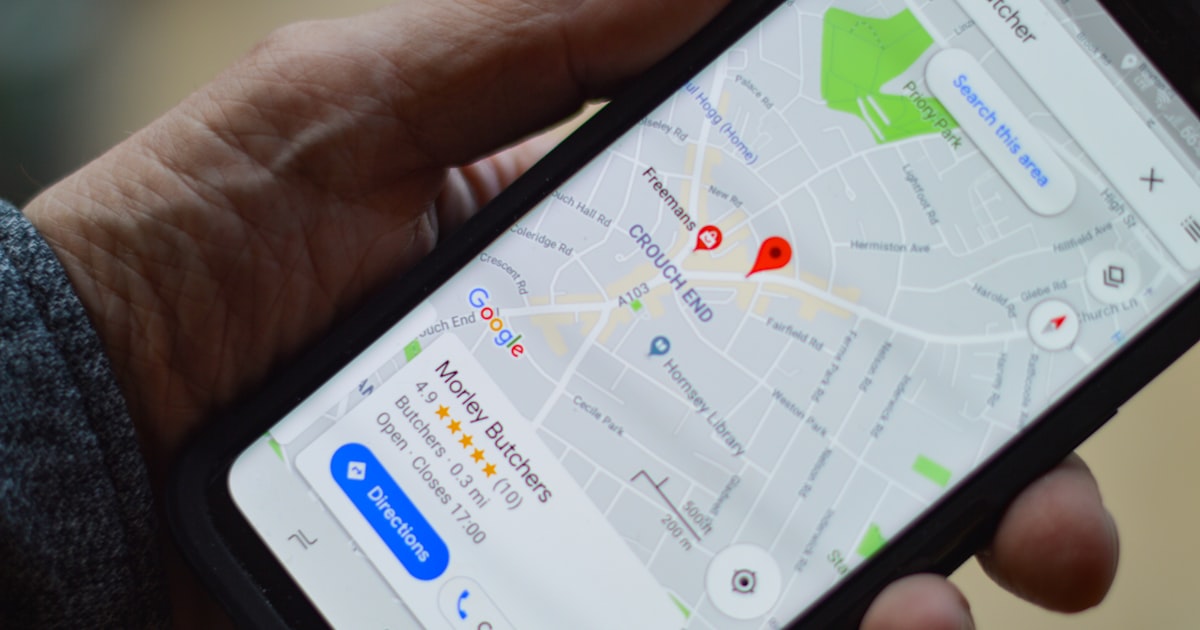
A shopper in your market searches "used Toyota RAV4 near me." At the top of the results, before the third-party listing sites, they see a row of vehicles with photos, prices, mileage, and dealership names. They tap one and land directly on a vehicle detail page on the dealership's own site. That placement is Google Vehicle Ads, and the dealerships running it are intercepting high-intent shoppers at the exact moment of search, often for less than they pay third-party lead providers for a worse result.
What Google Vehicle Ads Actually Are
Google Vehicle Ads are a paid format that lets dealerships advertise their real, in-stock inventory directly in Google search results. Instead of a text ad pointing to your homepage, the shopper sees the specific vehicle: image, price, mileage, and your dealership name. When they click, they go straight to that vehicle's detail page on your website.
The format is closely related to the shopping ads that retailers use for products. The difference is that it is purpose-built for automotive inventory, pulling from a vehicle feed that reflects your live stock. As cars sell and new ones arrive, the ads update with your inventory.
This is fundamentally different from running text search ads to a generic landing page. You are not paying to send a shopper to a page where they have to start their search over. You are showing them the exact vehicle that matches their query and dropping them on the page where they can act on it.
Why This Channel Matters Right Now
For years, dealerships have rented inventory visibility from third-party marketplaces, paying steadily rising fees to put their cars in front of shoppers on someone else's website. Those costs keep climbing while lead quality slides, a problem we covered in depth in why your cost per lead keeps rising.
Google Vehicle Ads flip that model. The shopper clicks through to your site, not a marketplace where your vehicle sits next to ten competitors. You own the traffic, the experience, and the data. You are building demand on your own property instead of renting space on someone else's.
The intent is also about as high as it gets. Someone searching for a specific make and model in your area is deep in the funnel. Capturing that click and landing them on your VDP, your vehicle detail page, puts you in front of a buyer at the moment they are actively shopping.
What It Takes to Run Them Well
Vehicle Ads are powerful, but they are not a set-and-forget tool. Success depends on a few foundations that many dealerships underestimate.
A Clean, Complete Inventory Feed
Everything starts with your data feed. Google needs accurate, complete information for every vehicle: make, model, year, trim, mileage, price, VIN, and quality images. Vehicles with missing data, no photos, or stale prices either do not show or perform poorly. The dealerships that win at this channel treat feed quality as a daily operational discipline, not a one-time setup.
VDPs That Convert
Driving a high-intent shopper to a slow, cluttered, or hard-to-use vehicle detail page wastes the click. Your VDPs need to load fast, show great photos, present pricing clearly, and make it dead simple to inquire, call, or start a deal. The ad gets the shopper to the page. The page has to close the gap.
Accurate, Competitive Pricing
Because the price shows in the ad itself, pricing strategy is now advertising strategy. Shoppers comparison shop in the results before they ever click. A vehicle priced well above comparable listings will get skipped. This channel rewards dealerships that price their inventory to the market and punishes those who hide behind "call for price."
Conversion Tracking That Ties to the Showroom
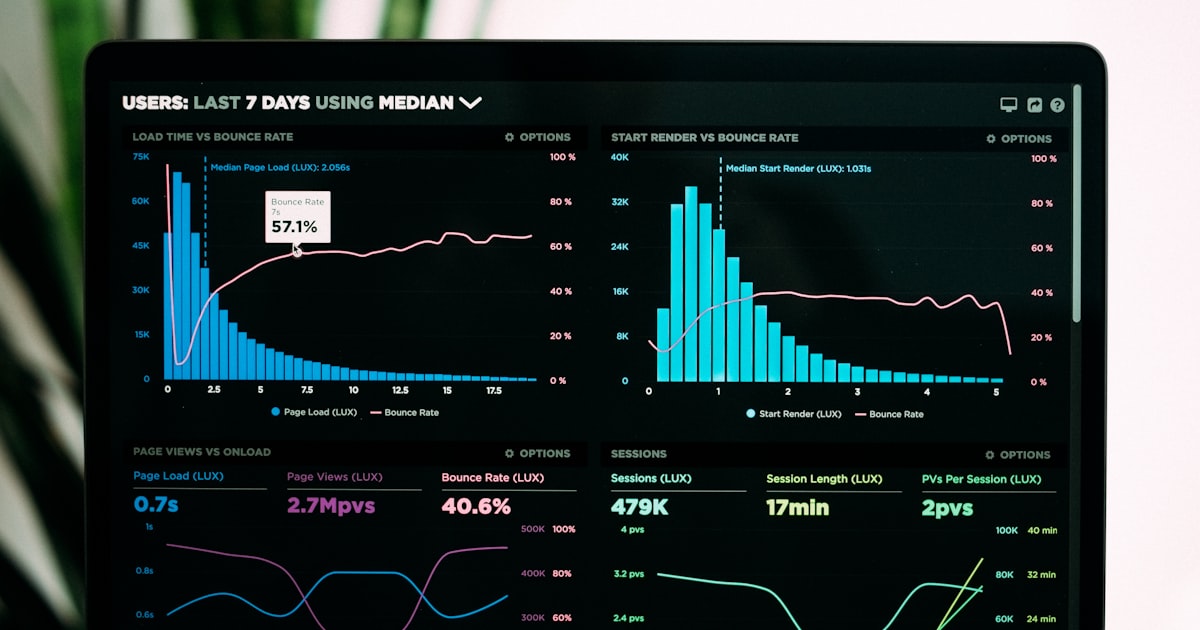
You cannot optimize what you cannot measure. Proper tracking should connect ad clicks to VDP engagement, lead form submissions, calls, and ideally to actual sales. Without that line of sight, you are flying blind and cannot tell which inventory and spend are actually producing deals.
How It Fits With the Rest of Your Marketing
Google Vehicle Ads are not a replacement for everything else. They are the inventory-advertising layer that works alongside your other paid search efforts, your local SEO, and your reputation program. Search text ads capture broader and brand queries. Vehicle Ads capture specific inventory intent. Local SEO and reviews decide whether you make the shortlist. The dealerships that perform best treat these as one connected system rather than disconnected tactics, which is the core of how we approach dealership marketing.
The Strategic Takeaway
Every year, more of the car-buying journey happens in Google's results before a shopper ever touches a marketplace or picks up the phone. Google Vehicle Ads let you own that moment with your actual inventory, on your own website, capturing the click instead of renting it from a third party. The dealerships that build a clean feed, sharp VDPs, market-aware pricing, and real tracking are pulling high-intent shoppers out of the search results that their competitors are still paying marketplaces to reach.
If you are still relying on third-party listing sites as your primary inventory visibility and watching those fees climb, this is the channel to build next.
Contact us to get Google Vehicle Ads running for your store, or explore our dealership marketing services to see how inventory advertising, paid search, and local visibility work together to drive showroom traffic.

Written by
Taylor Brody