The Dealership Digital Marketing Playbook: What Works in 2026
The automotive retail landscape has shifted permanently. Car shoppers now spend an average of 14 hours researching online before stepping foot in a dealership, and 92% of buyers start their journey with a search engine. If your dealership's digital marketing isn't meeting shoppers where they are, you're losing deals to competitors who show up first.
The Modern Car Buyer's Journey
How Shoppers Find Dealerships in 2026
The path to purchase looks different than it did even two years ago:
- Discovery: Buyer searches "best SUVs for families" or "new trucks under $45,000"
- Research: Compares models, reads reviews, watches video walkarounds
- Consideration: Searches for local dealerships, reads reviews, checks inventory
- Decision: Visits 1-2 dealerships (down from 4-5 a decade ago) and makes a purchase
Your dealership needs to be visible at every stage — not just when someone searches "[brand] dealer near me." The earlier you enter the conversation, the more influence you have on the final decision.
Search Engine Optimization for Dealerships
Inventory-Based SEO
Your vehicle inventory pages are your most valuable SEO assets. Optimize them by:
- Creating unique title tags and meta descriptions for each vehicle or vehicle category
- Including specific details: year, make, model, trim, key features, and pricing
- Adding structured data markup (Vehicle schema) so search engines display rich results
- Building internal links between related vehicles and model comparison pages
Local SEO Essentials
For dealerships, local SEO is non-negotiable:
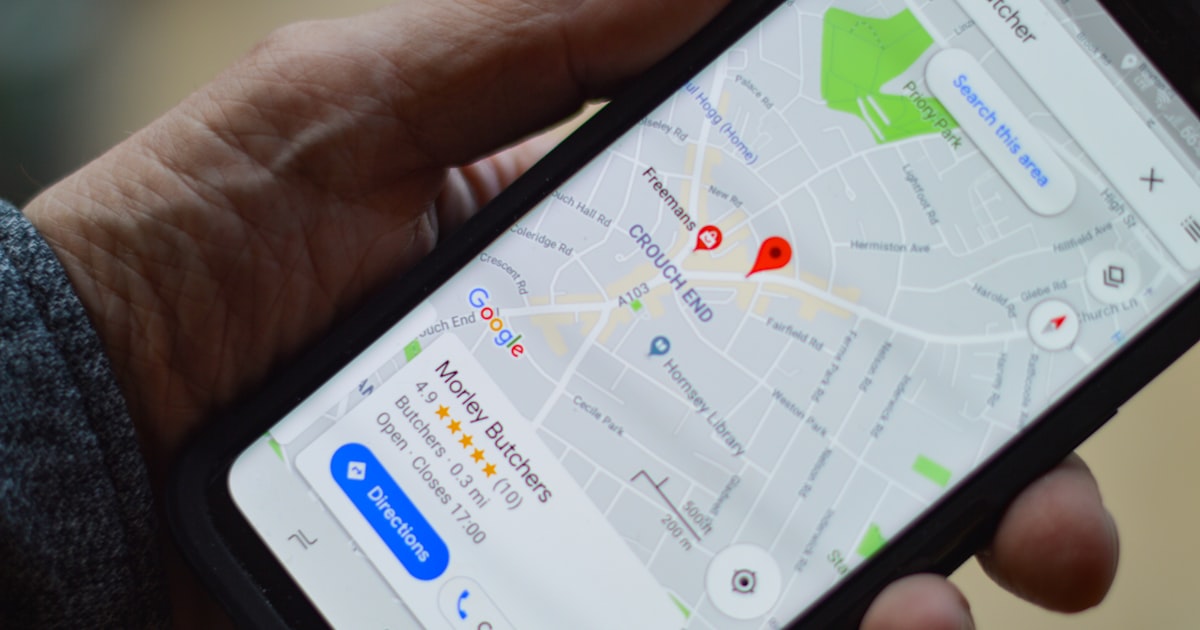
- Google Business Profile: Complete every field, add photos weekly, respond to all reviews within 24 hours
- Local citations: Ensure consistent NAP (Name, Address, Phone) across all directories
- Location pages: If you have multiple locations, each needs a dedicated, optimized page
- Local content: Publish content that references your market area, local events, and community involvement
Content That Ranks for Dealerships
The dealerships winning in organic search are publishing content that matches every stage of the buyer journey:
- Model comparison pages: "2026 Toyota Camry vs Honda Accord" — these capture high-intent research queries
- Buying guides: "First-Time Car Buyer's Guide" or "Leasing vs Financing: Which Is Right for You?"
- Local guides: "Best Road Trips from [Your City]" or "Winter Driving Tips for [Your State]"
- Service content: "How Often Should You Change Your Oil?" — captures service customers and builds topical authority
Our dealership marketing services are built around these proven SEO strategies.
Paid Advertising That Drives Showroom Traffic
Google Ads for Dealerships
Effective dealership PPC requires a layered approach:
Search campaigns:
- Brand campaigns protecting your dealership name
- Model-specific campaigns targeting active shoppers
- Competitor conquest campaigns (bid on competitor names carefully)
- Service department campaigns for retention
Performance Max campaigns:
- Vehicle inventory feeds for dynamic ads across Google properties
- Audience signals based on in-market auto shoppers
- Creative assets showcasing actual inventory and dealership experience
Video campaigns:
- YouTube pre-roll ads targeting auto research viewers
- Vehicle walkaround videos promoted to local audiences
- Customer testimonial videos for retargeting
Social Media Advertising
Facebook and Instagram:
- Dynamic inventory ads showing specific vehicles to in-market shoppers
- Lead generation campaigns with instant forms
- Retargeting website visitors with the specific vehicles they viewed
- Community-focused content promoting events and specials
TikTok:
- Short, authentic videos of new arrivals and dealership life
- Behind-the-scenes content that humanizes your team
- Quick vehicle feature highlights that capture scrollers' attention
Learn more about our PPC management approach for dealerships.
Reputation Management
Why Reviews Make or Break Dealerships
Dealership reviews carry enormous weight:
- 95% of car buyers read online reviews before visiting a dealership
- A one-star increase in Google rating can increase leads by 5-10%
- Negative reviews about sales pressure or hidden fees scare away price-sensitive shoppers
- The recency of reviews matters — shoppers discount reviews older than 6 months
Building a Review Generation Machine
- Ask every satisfied customer for a review at delivery
- Send automated review request emails/texts within 24 hours of purchase or service
- Make it easy with direct links to your Google review page
- Train your team to mention reviews naturally in the customer experience
- Respond to every review — positive and negative — within 48 hours
Handling Negative Reviews
When negative reviews appear (and they will):
- Respond promptly and professionally
- Acknowledge the concern without being defensive
- Take the conversation offline when appropriate
- Follow up to resolve the issue, then politely ask if they'd consider updating their review
Website Experience
What Dealership Websites Get Wrong
Most dealership websites are built by automotive-specific vendors and look identical. Common problems:
- Slow load times from heavy inventory plugins
- Pop-ups and chat widgets that overwhelm visitors
- Confusing navigation that buries key information
- No clear differentiation from the next dealership down the road
What a High-Converting Dealership Site Needs
- Speed: Under 3 seconds to load on mobile
- Clean inventory search: Filters that work intuitively with real-time availability
- Clear CTAs: Schedule a test drive, get a quote, value your trade — prominent and consistent
- Trust signals: Reviews, awards, certifications, and team photos
- Mobile-first design: Over 60% of dealership website traffic comes from mobile devices
Measuring Dealership Marketing Performance
KPIs That Matter
Track these metrics monthly:
- Cost per lead: By channel and by campaign
- Lead-to-appointment rate: What percentage of leads schedule a visit?
- Appointment-to-sale rate: How many appointments convert to purchases?
- Cost per sale: Total marketing spend divided by units sold
- Return on ad spend (ROAS): Revenue generated per dollar spent on advertising
Attribution Challenges
Dealership marketing attribution is notoriously difficult because the final transaction happens in person. Bridge the gap by:
- Using call tracking with dynamic number insertion
- Implementing CRM integration with your ad platforms
- Training sales staff to ask "How did you hear about us?" and log it
- Comparing marketing spend against sales trends by month
Our strategic consulting services include building dealership-specific measurement frameworks.
The AI Search Opportunity for Dealerships
AI-powered search engines are increasingly answering automotive queries directly. When someone asks ChatGPT "What's the best dealership for Toyota in [city]?", the answer cites specific sources.
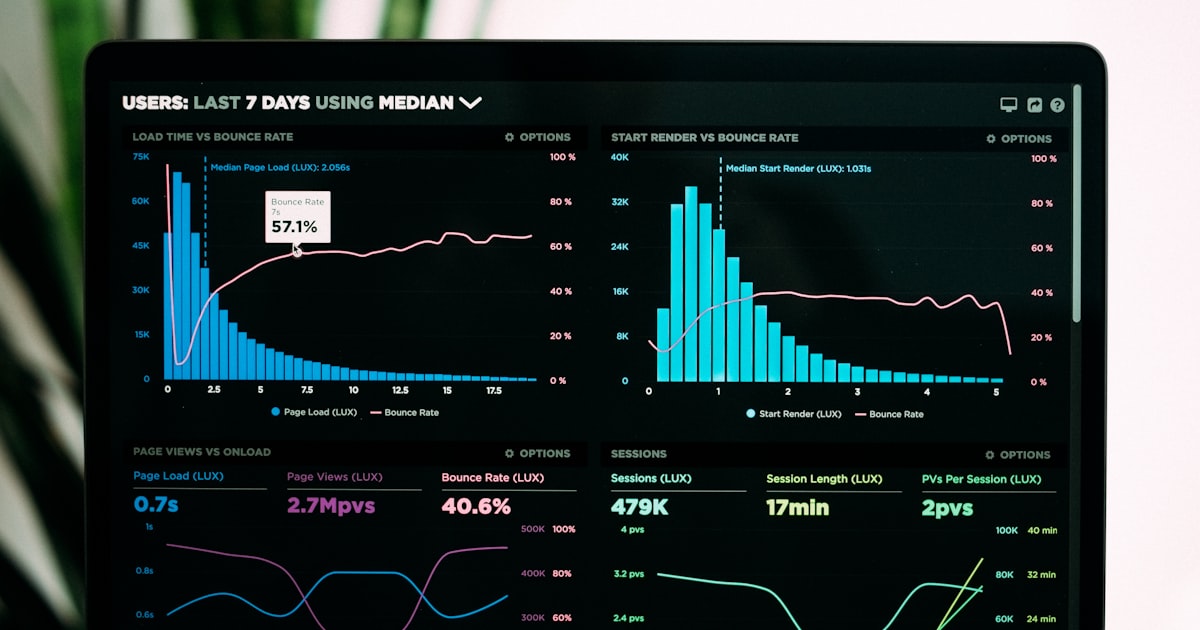
Dealerships that publish helpful, structured content and maintain strong online reputations are beginning to appear in these AI-generated recommendations. This is a massive early-mover advantage — most dealerships haven't even heard of GEO yet.
Building Your Dealership's Digital Marketing Plan
A comprehensive dealership digital marketing strategy should include:
- Foundation: Optimized website, complete Google Business Profile, review management system
- Search visibility: SEO program targeting every stage of the buyer journey
- Paid acquisition: Layered Google Ads and social media campaigns
- Content velocity: Weekly blog posts and video content
- Reputation: Automated review generation and response workflow
- Measurement: Monthly reporting tied to actual sales outcomes
Contact us to discuss a digital marketing strategy built specifically for your dealership's market and goals.

Written by
Taylor Brody