The 5-Minute Rule: How Speed-to-Lead Decides Who Wins the Sale
A shopper fills out a "Check Availability" form on your website at 7:42 PM on a Tuesday. By 8:00 PM, they have heard back from two competitor dealerships. By 8:15 PM, they have scheduled a Wednesday appointment with the dealer who responded first. Your BDC will reply at 9:30 the next morning. The deal is already gone.
This is the single most expensive failure mode in dealership marketing, and almost every store in America is bleeding deals because of it.
What the Data Says About Lead Response Time
The research on speed-to-lead is unambiguous and brutal:
- Leads contacted within 5 minutes are 21x more likely to qualify than leads contacted after 30 minutes
- The probability of contacting a lead at all drops 100x between 5 minutes and 30 minutes
- 78% of customers buy from the first dealership that responds
- Average dealership lead response time is over 3 hours — and that is just for leads that get a response at all
The dealership that responds first is not just slightly more likely to win the sale. They are statistically dominant. Speed-to-lead is the single strongest predictor of close rate, ahead of price, brand loyalty, or sales process.
Why Most Dealerships Fail the 5-Minute Test
Even dealerships that know the rule fail to hit it. The reasons we see in audits:
After-Hours Lead Black Hole
Roughly 40% of all dealership leads come in outside business hours. If your BDC closes at 8 PM and a lead comes in at 8:15 PM, that lead is sitting cold for 12 to 14 hours before anyone touches it. By the time your team arrives the next morning, half the leads in the queue have already been worked by competitors.
CRM Bottlenecks
Many dealership CRMs route leads through manual assignment queues. The lead lands in a general inbox, sits until a manager assigns it, then sits again until the assigned salesperson notices. The lead notification chain can add 20 to 60 minutes before any human even sees the lead.
Generic First Responses
When a response finally goes out, it is often a templated "Thanks for your interest, when can you come in?" message that adds zero value and prompts no reply. The lead rates the experience, decides you are not engaged, and goes with the dealer who sent a real, personalized response.
Multiple Lead Sources Routing Differently
Leads from your website, leads from CarGurus, leads from Facebook, and leads from manufacturer sites often route to different inboxes, different teams, and different processes. Each path has its own delay. Without a unified ingest and response system, response times vary by 4 to 10 hours depending on which channel the lead came in from.
How to Fix Speed-to-Lead
This is solvable. The dealerships that have fixed it follow a predictable pattern.
Step 1: Measure Your Real Response Time
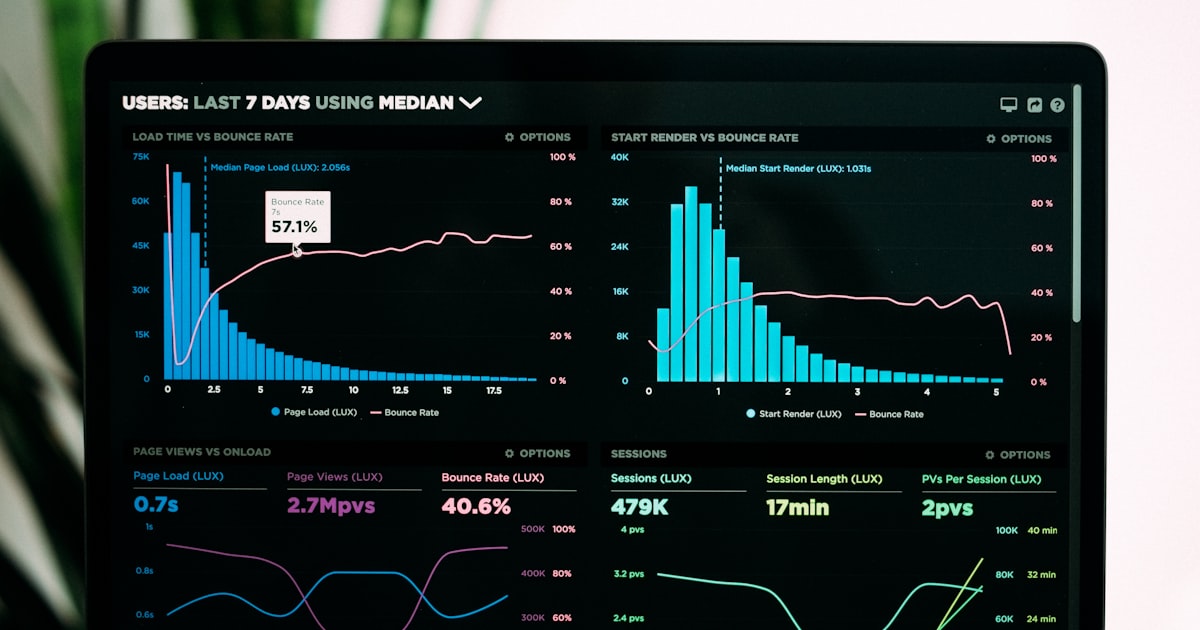
Pull the last 30 days of leads and calculate response time from form submit to first human contact, not from form submit to first auto-responder. Most dealerships think they are at 15 minutes and discover they are at 4 hours when measured honestly.
Step 2: Implement Instant Auto-Response with Real Value
The first response should fire within 60 seconds and include something useful — vehicle availability confirmation, pricing details, financing options, or a calendar link to schedule a test drive. A boilerplate "We got your message" auto-reply does not count. The shopper should feel like they received a real, personalized response.
Step 3: Use 24/7 Coverage for First Touch
After-hours coverage does not require a 24-hour BDC. It requires either an AI-powered first-response system, an after-hours BDC partner, or a salesperson on-call rotation. The goal is that no lead waits more than 5 minutes for an intelligent first reply, regardless of time of day.
Step 4: Unify Your Lead Routing
Every lead from every source should hit a single ingest pipeline with the same routing rules and response SLAs. If you have leads coming into five different inboxes with five different processes, your response time will always vary by source. One pipeline, one SLA, one accountable team.
Step 5: Hold the Team Accountable
Speed-to-lead has to be a measured, reported, daily metric for your BDC and sales team. Pull a daily report of average response time and longest unresponded lead. If it is not on the dashboard, it will not get better.
The Multiplier Effect on Marketing ROI
Here is the part most dealers miss: every dollar you spend on advertising is multiplied or wasted by your speed-to-lead. If you spend $20,000 a month on Google Ads and your team responds in 3 hours, you are paying full price for leads that close at 4%. The same spend with 5-minute response time produces leads that close at 18 to 25%.
You do not need a bigger ad budget. You need to convert the leads you are already paying for. Fixing speed-to-lead is the highest-ROI operational change most dealerships can make.
Where Marketing Meets Process
Marketing agencies typically focus on getting leads to the door. The dealerships that win make sure those leads get answered the moment they arrive. If you are spending on PPC or dealership marketing without a tight speed-to-lead process behind it, you are funding your competitors' close rates instead of your own.
Schedule a discovery call and we will help you map your current lead flow, identify the bottlenecks, and build a response system that captures the deals you are paying for.

Written by
Taylor Brody